How to make payments to international suppliers from Morocco
Discover how to make payments to international suppliers from Morocco. Learn about the available methods, the applicable regulations, and how to manage your operations securely and efficiently.
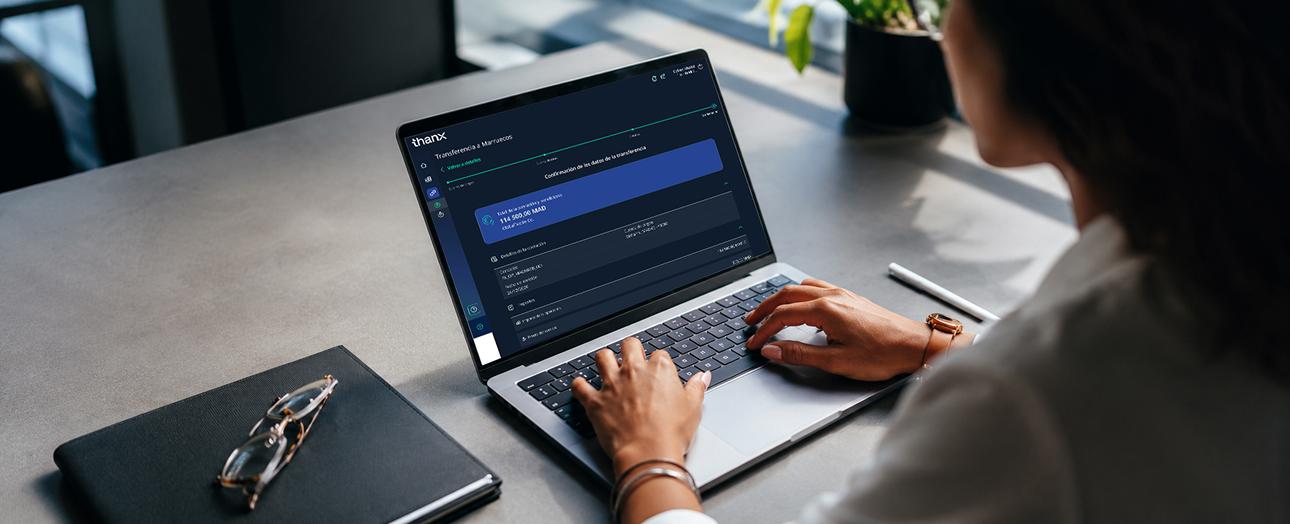
More and more Moroccan companies are expanding their operations and collaborating with international suppliers. If your business is one of them, managing payments clearly, securely, and efficiently is essential to strengthen business relationships and meet your commitments without delays.
In Morocco, international payments are regulated by the Exchange Office and supervised by Bank Al-Maghrib, the country's central bank. Complying with its regulations is key to carrying out transactions without incidents and ensuring the legality of currency movements.
What payment methods are available in Morocco?
There are several ways to pay your international suppliers from Morocco. The best option will depend on the type of transaction, the level of trust with your supplier, and the conditions you have agreed upon. These are the most common methods:
- International bank transfer (SWIFT): the most widely used method due to its speed and security. You can send money to accounts abroad directly from a Moroccan bank.
- Documentary credit (letter of credit): very common in import operations. The bank acts as an intermediary and guarantees payment to the supplier once the contract conditions are met (for example, the delivery of shipping documents).
- Documentary remittance: The supplier's bank sends the documents to the buyer's bank, which releases them upon making the payment or accepting a bill of exchange.
- Advance payment or cash payment: This is used when there is trust between the parties or for low-value imports.
Each method has its own advantages and specific requirements. For example, documentary credit offers more security for both parties, while a bank transfer is faster but requires a business relationship of trust.
How is the payment process for suppliers carried out?
Understanding how the payment process works will help you avoid mistakes and save time. Although each method has its own steps, they all follow a similar structure. Here we explain the essentials to ensure your payments go through without complications:
- Agree on the payment terms. Define the deadlines, currency, exchange rate and the documents that will prove the money has gone through with your supplier.
- Review the documentation. Make sure you have the pro forma invoice, the commercial contract and, if applicable, the bill of lading or certificate of origin.
- Check the Exchange Office regulations. Some operations require prior authorisation or must be justified with import documents.
- Start the payment. Access your bank or digital platform, enter the beneficiary's details and confirm the transaction.
- Keep the receipts. They will justify the transaction to the authorities or the bank in case of inspection.
The key is to maintain constant communication with the supplier and document each step of the process.
How much does it cost to pay an international supplier?
The total cost of an international payment depends on the payment method, currency, destination country, and bank fees. In general, there are three main types of costs:
- Bank fees: as a result of payment management and potential intermediary banks.
- Currency exchange fees: These apply if you pay in a currency other than the Moroccan dirham (MAD).
- Logistical or administrative costs: associated with document management or documentary credit.
To reduce costs, you can compare rates between banks, negotiate fees with your bank, and use tools that offer more competitive exchange rates.
Tips for successfully managing international payments
- Plan your payments. Agreeing on deadlines and conditions in advance helps to avoid extra costs or penalties.
- Review each document. An error in the invoice or the SWIFT code may delay the transaction.
- Always operate through secure channels. Use banking institutions or regulated platforms.
- Trade in the most convenient currency. Sometimes, paying in the supplier's currency can result in savings if the exchange rate is favourable.
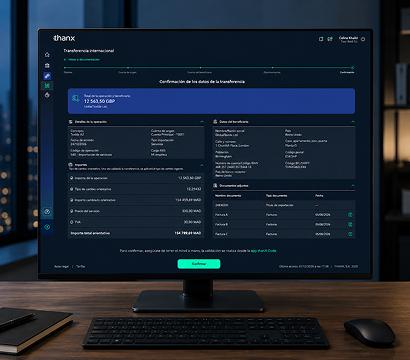
Simplify your international payments with thanX
Managing payments to foreign suppliers is easier when you use a tool that centralises the entire process. With thanX, you can:
- Send money from Morocco to any country with total security and control.
- Pay in more than 15 currencies, including MAD, EUR, USD and GBP.
- Integrate your operations with the PortNet system, streamlining customs and other financial documentation.
- Check the status of your payments in real time from a single platform.
thanX allows you to maintain your commitments to international suppliers in an agile and transparent manner, helping you to strengthen your business relationships and optimise your financial management.
How to send money abroad from Morocco: Practical guide for companies
Learn about the available options, local regulations, and best practices for sending money abroad safely and efficiently.
Dirham to euro exchange rate: Keys to protecting your business
If you operate in Morocco and need to convert dirhams to euros, we explain how the exchange rate works, which factors affect it, and how to avoid unnecessary losses.

Keys to making international transfers from Morocco
Discover how to make international transfers from Morocco securely and efficiently. Learn about the requirements, costs, time frames, and how to simplify the process.
How to make payments to international suppliers from Morocco
Discover how to make payments to international suppliers from Morocco. Learn about the available methods, the applicable regulations, and how to manage your operations securely and efficiently.
Your money,without borders
Join thanX